Here are 5 temples you absolutely must visit when traveling to Jeju Island:
Jeju Island is not only a place of natural beauty but also home to religious heritage with a long history. Among these, temples offer a place of tranquility and peace, attracting increasing interest from tourists. In particular, Jeju Island is the only place in Korea where Buddhism flourished and developed due to its natural defensive structure that allowed for easy access between the coastline and inland areas. This article introduces five temples on Jeju Island that are must-visits, along with their historical background, characteristics, and things to keep in mind when visiting. We hope that this information will help you make your Jeju trip more than just a search for accommodations and restaurants, but rather a journey to find inner peace.
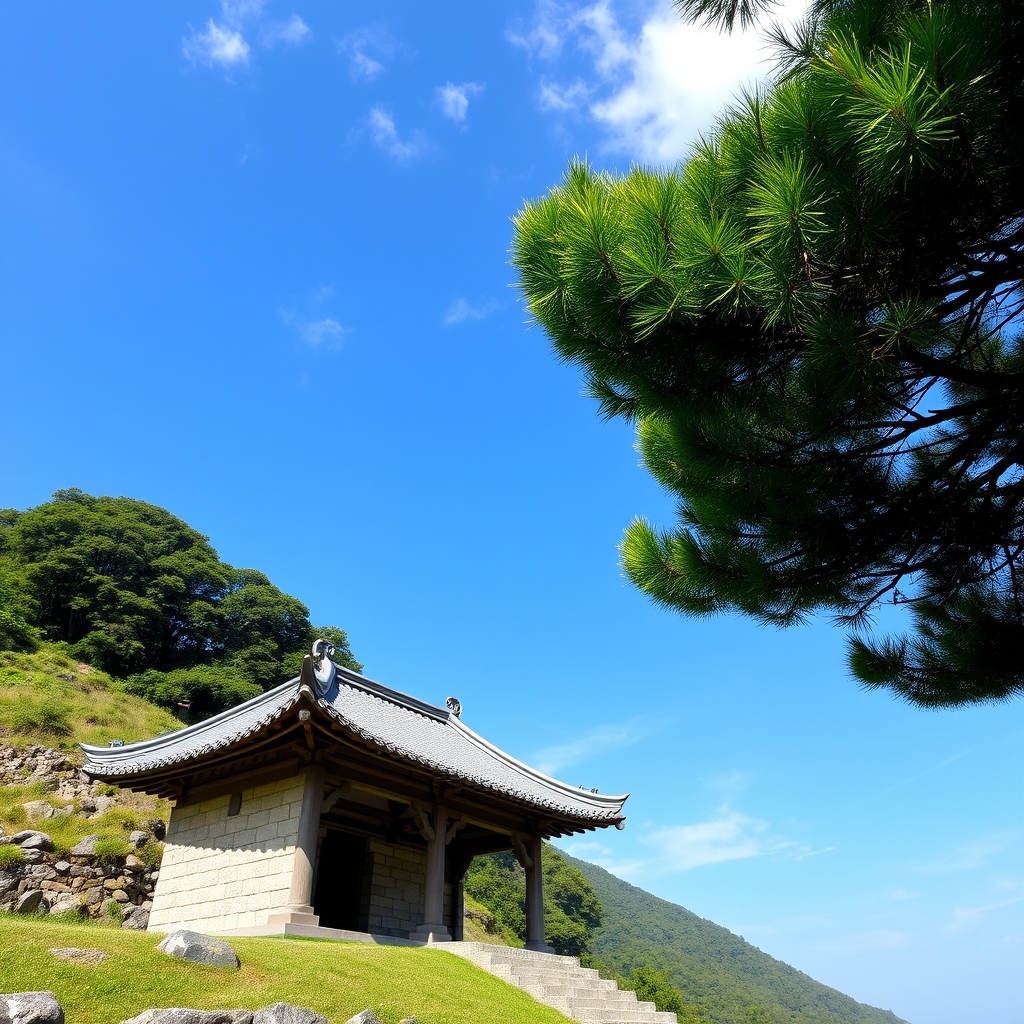
1. Yeonghwasa Temple (Seogwipo City, Jeju Island)
Yeonghwasa Temple is considered one of the oldest temples on Jeju Island, dating back to the late 3rd century. It has been rebuilt several times since the Joseon Dynasty, and most of the current buildings were constructed in the late 19th century. The temple's most distinctive feature is its location on a high mountainside, creating a unique atmosphere where the sound of the waves blends with the tranquility of the mountain temple.
Visitors should pay attention to Yeonghwasa Temple's Daeungjeon Hall and the preserved Bulguksa Maeryeorae statue. The Bulguksa Maeryeorae statue is a masterpiece that represents the artistic level of the Silla Dynasty and is frequently mentioned in temple documents from the Joseon Dynasty. There is a separate parking lot available, but some sections are on slopes, so caution is needed when driving. It is open from 8:00 AM to 5:00 PM, and during major holidays, there may be restrictions on the number of visitors outside of quiet prayer times.
2. Seolmunsa Temple (Seogwipo City, Jeju Island)
Seolmunsa Temple is special because of its location on the coast. It represents the "west" of Jeju Island and is a place where you can feel the direct touch of the sea breeze. This temple was founded in 987 and is one of the few places where you can experience the Buddhist culture of the mid-Joseon Dynasty and religious life in coastal areas. The area around Seolmunsa Temple is filled with wildflowers and walking trails, making it ideal for spending time in nature as well as visiting the temple.
During the summer, various Buddhist ceremonies are held, and during the Ullambana festival (Ghost Festival), you can also experience a traditional meal. The most impressive thing about this temple is the "hall where you can listen to music with the wind." You can experience a very special moment inside the quiet hall, listening to the sound of the wind and the temple bells. However, during periods of extreme heat, the air conditioning facilities inside the temple are limited, so it is a good idea to bring drinks and take advantage of the quiet time.
3. Cheonjusam Temple (Jeju City, Jeju Island)
Cheonjusam Temple is known as one of the temples most visited by devotees on Jeju Island. It was praised in late Joseon Dynasty documents as a "quiet place," and it is now a 대표적인 temple where traditional Buddhist rituals and modern temple management are in harmony. Cheonjusam Temple is particularly known for its structure where the "pavilion" and the "temple" are in perfect harmony, providing comfort to those seeking inner peace.
When visiting Cheonjulam Temple, you will usually receive guidance centered on the theme of "harmony between humans and nature." Cheonjusam Temple also operates a "Buddhist Archive" built about 30 years ago, where you can learn about the methods of transmitting Buddhist scriptures and see the Buddhist literature firsthand. The presence of wooden statues and inscribed paper is particularly significant, allowing you to experience the importance of cultural heritage preservation. It is open from 9:00 AM to 4:00 PM, and on weekends, a temple guide will automatically provide coaching.
4. Cheonjisa Temple (Western Jeju Island)
The name "Cheonji" is said to originate from the point where heaven and earth meet. Cheonjisa Temple has been a place for many citizens to find the right direction in life since the late Joseon Dynasty. This temple is a bit difficult to reach on Jeju Island, but that's what makes it feel like you are one with nature. It is particularly attractive because of its quiet atmosphere, surrounded by mountains and shielded from the noise and traffic of the city.
Cheonjisa Temple also offers a "mountain retreat" program where you can experience a 3-day spiritual practice to learn how to calm your mind. However, this program is by reservation only and can be applied for 3 months in advance, so it is important to check availability. In addition, the "Samsungjeon" located in front of the temple is an important place to understand the structure of Korean Buddhism, where you can see symbols and prayers related to the three Buddhist patriarchs.
5. Jungangsan Temple (Southern Jeju Island)
Jungangsan Temple is located in a central location on Jeju Island and is one of the 대표적인 temples that showcases "mountain temple traditions," especially during the Ullambana festival (Ghost Festival). Jungangsan Temple was founded in the late 18th century and has been repaired several times with support from the Joseon government. This temple is particularly famous for its "Buddhist Cultural Festival," which takes place every October and includes traditional Buddhist ceremonies and a temple food tasting experience.
One of the reasons people visit Jungangsan Temple is to "connect with nature." The temple is surrounded by lush forests, and the walking trail along with the turtle-shaped rock offers a scenic view that provides fresh air and spiritual peace. In particular, during the "quiet lunch" time starting at 7:00 AM, the temple provides a vegetarian meal made with ingredients from the temple. This is not just a meal but also part of a spiritual practice to calm your mind. Jungangsan Temple is open from 7:00 AM to 18:00, and a reception concierge is available during the week.
As you can see, the temples of Jeju Island are more than just tourist attractions; they are places of spiritual refuge and cultural exchange. Next time you visit Jeju, make your trip more than just a search for haenyeo (female divers), the sea, and crops; make it a journey to discover the peace and value that lie within.
Popular posts
How to Use Buses in Jeju Island: Maximize Your Tour Efficiency with a Well-Planned Transportation Strategy.
Jeju Island Accommodation Guide: The Best Accommodation Strategies for Different Types of Travelers.
Here are the only three things you need to remember for your summer trip to Jeju Island.
Comments 0