How to Use Buses in Jeju Island: Maximize Your Tour Efficiency with a Well-Planned Transportation Strategy.
Jeju Island boasts stunning natural scenery, but its roads wind through mountains and along the coast, with many narrow and winding sections, which limits travel options for cyclists and pedestrians. Especially when on a tight schedule or planning to visit multiple attractions in a single day, effectively utilizing buses can significantly reduce travel time and fatigue. While Jeju offers various bus options, including public buses, tourist buses, and the Korea Trail Bus, understanding the different types of buses and knowing the correct boarding procedures is crucial for reaching your destination efficiently. This guide provides a step-by-step approach to choosing and using Jeju Island buses wisely.
Step 1: Differentiate Bus Types Based on Destination and Travel Style
Jeju Island has three main types of bus systems. Public buses are the basic routes that connect major cities and towns. Tourist buses (also known as "microbuses") operate dedicated routes that circulate around major tourist attractions (e.g., Hallasan Mountain, Seongpanak, Aewol). The Korea Trail Bus is a special route that connects to cycling paths within national parks, making it ideal for hikers and cyclists.
- Public Buses: Suitable for traveling between major urban areas such as Jeju City, Seogwipo City, and Seongsan-eup. Used for everyday travel, such as from Yeoksam Station to Jeju International Airport or from City Hall to Hanra Hospital.
- Tourist Buses: Operate on routes that circulate around major attractions in Jeju Island. For example, the "Hallasan Bus" goes from Seongpanak to the Hallasan Mountain hiking trail entrance, while the "Aewol Theme Bus" connects coastal scenery with art parks.
- Korea Trail Bus: Stops at the beginning or end of cycling paths and connects to bicycle rental shops. Ideal for hiking or cycling trips, as it facilitates the transport of luggage and provides a place to rest.
Tip: Identify the correct bus type first. Different routes may be required depending on your destination, and some tourist buses have reserved seating or require reservations, so it's essential to check the route information before departure.
Step 2: Check Bus Schedules and Station Information Online in Advance
The punctuality of Jeju Island buses can vary significantly depending on road conditions and the season. The most reliable information is available through official bus apps or websites. Using the "Jeju Island Bus" app operated by the Jeju Island Transportation Department or the "KT Jeju Traffic" website, you can enter your starting point, destination, and route name to view real-time station information and estimated arrival times.
- Routes in mountainous areas or with low population density along the eastern coast may operate at intervals of 20-30 minutes, and arrival times may be delayed.
- Tourist buses often have special routes in addition to regular schedules (e.g., sunset tours), which may be canceled on cloudy days, so it's a good habit to reconfirm using the app one hour before departure.
Tip: Use the "Station Location" feature in the bus app to check how far your destination station is. This is especially important when traveling from Jeju Airport to the city center, where choosing a bus route that stops at the "Jeju Airport Terminal Station" is crucial.
Step 3: Prepare Your Payment Method in Advance Based on Fares and Accepted Forms of Payment
Bus fares on Jeju Island are generally 1,500 won (with regional variations) and follow a stepped fare system (1-2 zones). Most buses accept card payments. Cash is accepted only in 1,000 and 5,000 won bills, and bus cards may not be rechargeable at automatic vending machines.
- Local Buses: 1,500 won is the standard fare; routes outside the city center may cost more than 2,000 won.
- Tourist Buses: Some tourist buses cost more than 3,000 won, and some may be included in tour packages.
- Payment Methods: Credit cards, transportation cards (e.g., Hyundai Card, Samsung Card), and mobile payments (e.g., Kakao Pay, Naver Pay) are accepted, but card readers may malfunction or communication problems may occur, leading to payment failures.
Tip: If you frequently use a particular bus route, it's convenient to preload your bus card to avoid the hassle of paying at the station. The Jeju Airport to City Hall route accepts card payments without issue, so you can use your card immediately upon arrival at the airport.
Step 4: Use a Checklist to Avoid Mistakes When Boarding the Bus
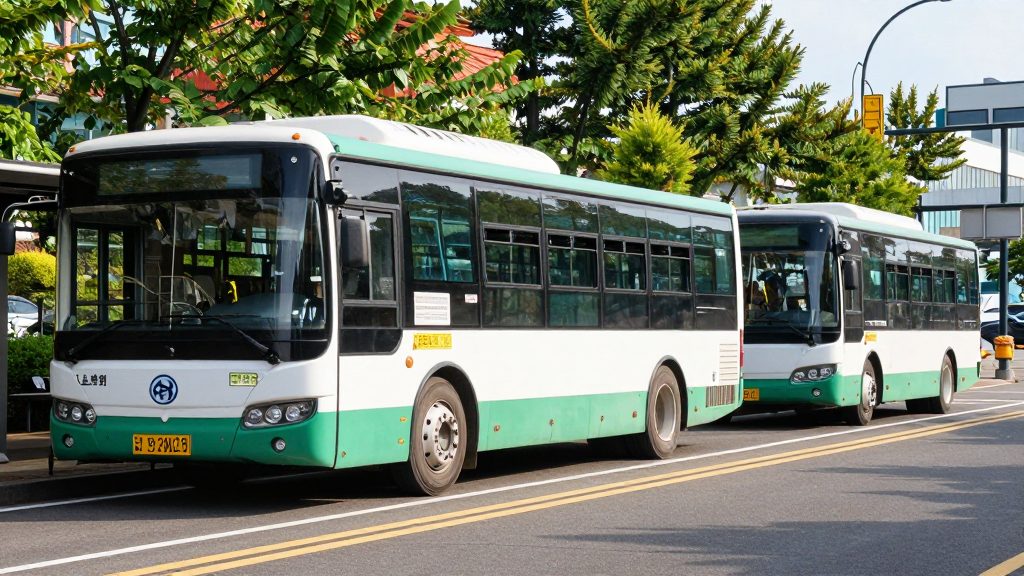
Checking items before boarding is crucial for avoiding mistakes. Use the following checklist:
- ✅ Verify that the station name and bus number match (check in real time using the app).
- ✅ Check your destination on the bus's internal display or audio announcements while traveling.
- ✅ When swiping your card or inserting cash, verify the correct amount or card name.
- ✅ Set an arrival notification or clearly request to "get off" from the driver (some routes do not have automatic notifications).
- ✅ If you have a lot of luggage or are using a wheelchair, request a seat near the front or a designated seating area.
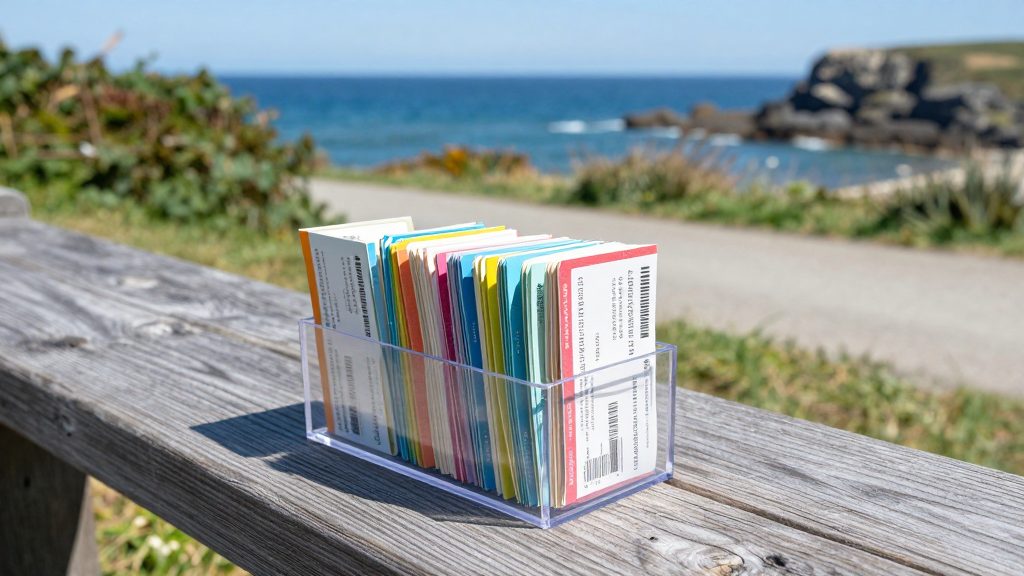
Jeju Island has many routes and stations with similar names, so it's possible to have two different stations with the same name, such as "Jeju City Hall" and "Jeju City Hall Station." In these cases, you must carefully check the station name on the bus's internal display or in the app.
Step 5: Plan Your Next Move After Getting Off the Bus
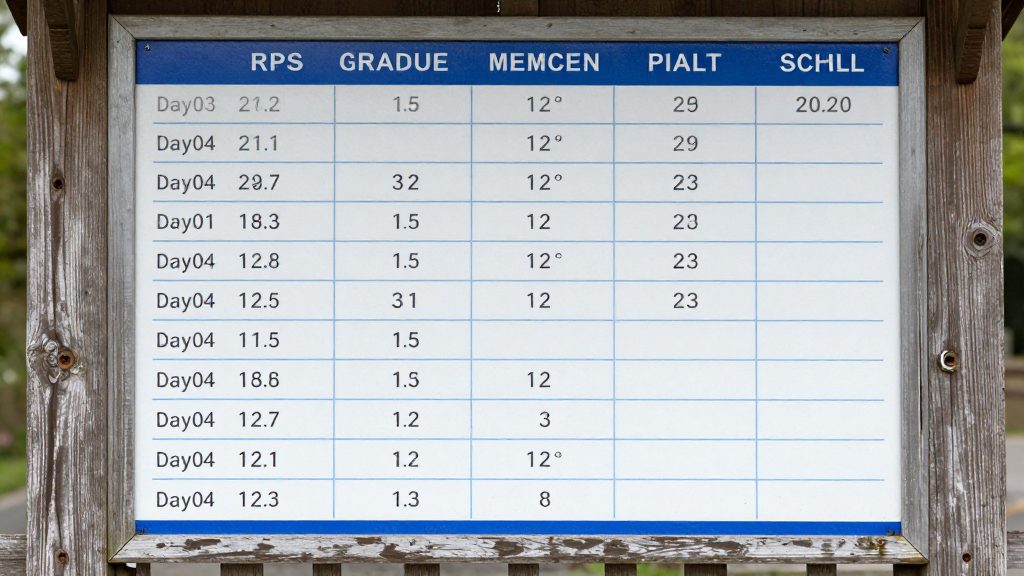
Your journey doesn's end when you get off the bus. While buses will take you to your destination, if it's more than a 5-minute walk, it can reduce accessibility to attractions.
- Check if there are parking lots, restrooms, or restaurants within 300 meters of the station where you get off.
- If the attraction is in a mountainous area, choose a location where you can sit down and depart within 5 minutes of getting off the bus.
- If your arrival time is delayed by more than 10 minutes, consider whether you can switch to another mode of transportation (e.g., taxi, bicycle rental) in advance.
For example, if you're planning to travel from Jeju Airport to a mermaid village, a route that stops at the "Airport Terminal Station" takes 30 minutes to reach the mermaid village, but it may take more than 15 minutes to walk from the station to the coast. Therefore, a strategy that utilizes a bicycle rental shop near the station can help reduce walking time.
Jeju Island is a unique place where nature and history coexist, but transportation can be complex. For travelers who want to avoid driving, using buses based on information and carefully preparing for the boarding process is the most practical way to save time and energy. Using buses without a clear plan can lead to delays, so bus travel should be considered as part of your overall travel strategy.
Related posts

Jeju Island Accommodation Guide: The Best Accommodation Strategies for Different Types of Travelers.

Here are the only three things you need to remember for your summer trip to Jeju Island.

7 Essential Criteria for Choosing Accommodation in Jeju Island.

The real appeal of Jeju Island's most overlooked "walking trails."
Popular posts
Jeju Island Accommodation Guide: The Best Accommodation Strategies for Different Types of Travelers.
Here are the only three things you need to remember for your summer trip to Jeju Island.
7 Essential Criteria for Choosing Accommodation in Jeju Island.
Comments 0