Unique Jeju Eateries Guide: Warm Meals Against the Gray Sea
"The wind howls against the windows while the rain lashes the coast, reminding us that nature dictates the rhythm of life on an island."
Searching for a Unique Jeju Eateries Guide involves balancing the desire for local flavors with the unpredictable elements of island weather.
This guide explores why travelers seek out these specific spots, how to navigate weather changes while dining, and what to expect from the local culinary scene.
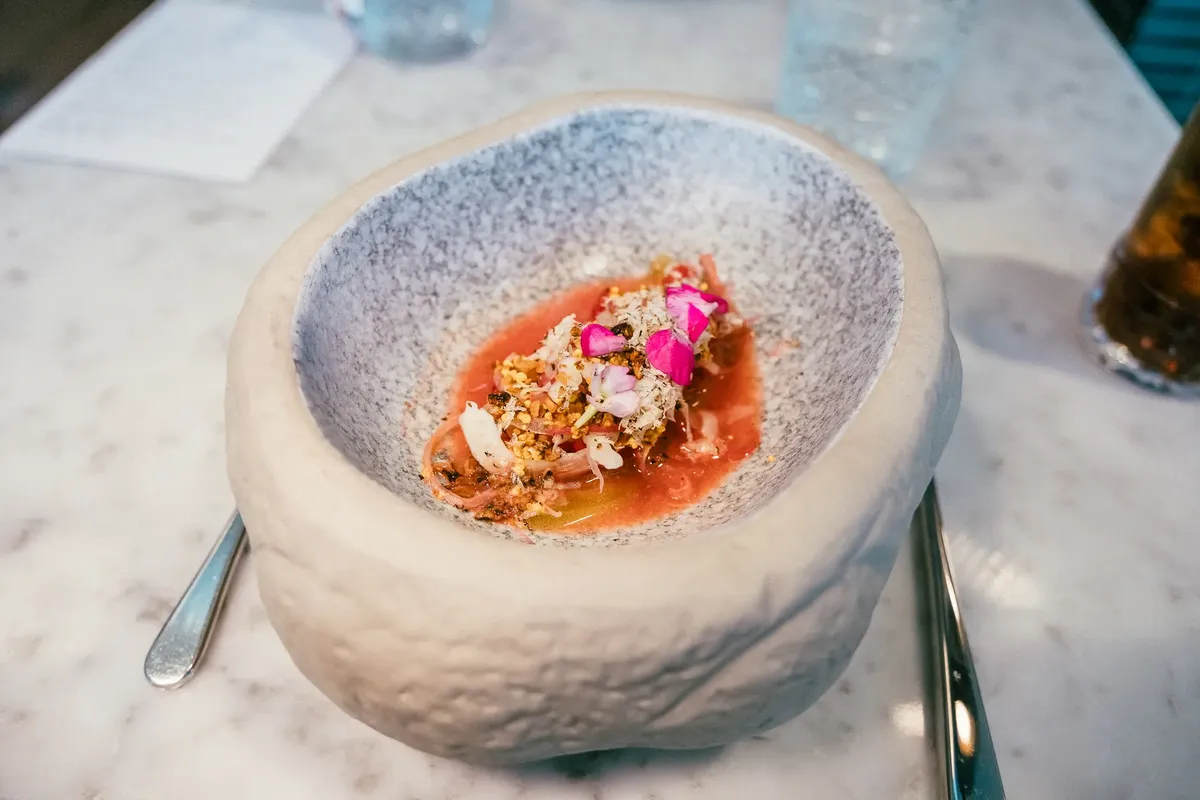
* Prioritize indoor dining during heavy rain. * Check local weather alerts before traveling to coastal restaurants. * Look for menus featuring seasonal, locally sourced ingredients.
Why Choose This Place for a Unique Jeju Eateries Guide?
As the storm rages outside the window, I pull my chair closer to the warmth to begin crafting this unique guide.
Standing by a window overlooking a gray, stormy sea, I watched the rain pour down and realized that the best dining experiences often happen when the weather forces us indoors. Choosing a specific restaurant in Jeju often depends on the atmosphere it provides against the elements.
When the sky turns dark, travelers often look for a sense of shelter and warmth. A well-chosen restaurant offers more than just a meal; it provides a sanctuary from the wind. This connection between the environment and the dining setting is a core part of the local experience.
The decision to visit a specific spot usually involves several factors: 1. The proximity to scenic views that remain beautiful even in rain. 2. The availability of hearty, warm meals that suit the climate. 3. The ability to enjoy local specialties without long outdoor treks.
I remember sitting in a small, cozy nook during a sudden downpour, feeling the warmth of a hot bowl of noodles as the storm raged outside. This sense of refuge is a primary reason why people seek out specific local spots.

I wrote this guide to highlight the most authentic culinary treasures on the island.
Must Try Local Flavors
As the rain begins to fall on the cobblestone streets, I reach for a warm bowl of soup to discover its unique taste.
A heavy rain begins to fall on the cobblestone streets, turning the landscape into a misty watercolor painting. Searching for the best local ingredients becomes a mission to find warmth and nourishment.
The local food scene is defined by what the land and sea provide. For many, the goal is to find dishes that reflect the island's unique geography. This pursuit of authentic taste is a central part of the journey.
The following elements define the culinary identity of the region: * Fresh seafood caught from the surrounding waters. * Vegetables grown in the volcanic soil. * Traditional cooking methods passed through generations.
The search for these flavors often leads travelers to small, family-run establishments. These places provide a deep connection to the heritage of the island.
- Sample the fresh black pork BBQ.
- Taste the seasonal seafood specialties.
- Try the local citrus-infused desserts.
Jeju Travel Culture and Dining Experience

While the wind shakes the trees at dusk, I pull my chair closer to the table to embrace the unique atmosphere of the small cafe.
The wind picks up, shaking the trees as the rain intensifies across the southern coast. Travelers must adapt their plans to the shifting weather, making the dining experience a dynamic part of the itinerary.
Understanding the local way of life means respecting the natural cycles. This understanding shapes how people move through the island and where they choose to eat.
The intersection of travel and food creates a unique atmosphere. When the weather changes, the focus shifts from outdoor exploration to indoor immersion. This shift allows for a deeper engagement with the local culture.
The dining experience is often the highlight of a trip, especially when it provides a way to engage with the local community. People often find that the most memorable meals are those that coincide with a change in the weather or a unique local event.
In this order, the second step is the longest.
How to Navigate Weather for the Best Jeju Food Spots?
Clouds gather over the mountains, and the air turns cool and damp. Navigating the weather requires careful planning to ensure that a trip to a restaurant does not become a struggle against the elements.

When planning a route, it is essential to consider the weather forecast. Sudden changes can turn a short drive into a difficult journey.
- Monitor weather alerts for wind and rain warnings. 2. Select restaurants with easy access to parking or indoor seating. 3. Keep a flexible schedule to allow for travel delays.
A final check of the local forecast before leaving your accommodation can prevent being caught in a storm. Being prepared ensures that the focus remains on the food rather than the weather.
The subject here is Unique Jeju Eateries Guide.
The same subject is also called Strange Jeju Dining.
Related
- Jeju fresh food discovery: A guide to island dining
- Jeju restaurant patterns: Why visitors follow tour schedules
How Does the Wind Influence the Dining Choice?
The howling of the wind often dictates the need for a specific type of establishment. When the wind howls against the windows, the traveler understands the need for sturdy shelter. The dining choice becomes a response to the surrounding atmospheric pressure.
This auditory element adds to the overall immersion. The sound itself becomes part of the memory of the meal. A strong wind outside contrasts sharply with the warmth inside, enhancing the appreciation for the meal served.
Therefore, the ability of the restaurant to buffer against the elements is as crucial as the menu itself. The contrast between the harsh exterior and the cozy interior defines the unique Jeju dining adventure.






Comments 0