The real appeal of Jeju Island's most overlooked "walking
The beauty of Jeju lies not in its beaches and coastline, but in the time spent walking between them. While many visitors think of hiking trails as simply "paths down from the mountains," Jeju offers unique journeys that are best experienced on foot.
This article highlights the true value and selection criteria for "walking trails" in Jeju, which are often overlooked but perfect for those who enjoy a leisurely stroll.

Why Visit Jeju's Walking Trails Now?
Walking trails offer a completely different experience depending on the season and weather. In autumn, the scenery becomes more vibrant, sunlight decreases, and the colors of the forests become more distinct. This is an ideal time for walking, especially when the daytime temperature is between 15 and 20°C. Spring and autumn are the most suitable seasons for walking, while summer brings intense heat and insects, and winter brings frost and cold winds.
How Long Should You Walk to Consider it a "Stroll"?

A minimum of 30 minutes of continuous walking is the basic requirement for a stroll. While short walks can be effective exercise, to achieve the emotional purpose of "strolling" – clearing your mind and connecting with nature – at least 30 minutes of continuous walking is needed. Most popular walking trails in Jeju take about 1-2 hours, and even if the distance is less than 3km, a gentle slope allows for a relaxed experience.
According to UNESCO's 2024 report, Jeju Island remains a critical site for biodiversity preservation. The organization notes that protecting these natural corridors is essential as global tourism projections rise through 2026.
Why are "Memorable Scenery" Important on Walking Trails?
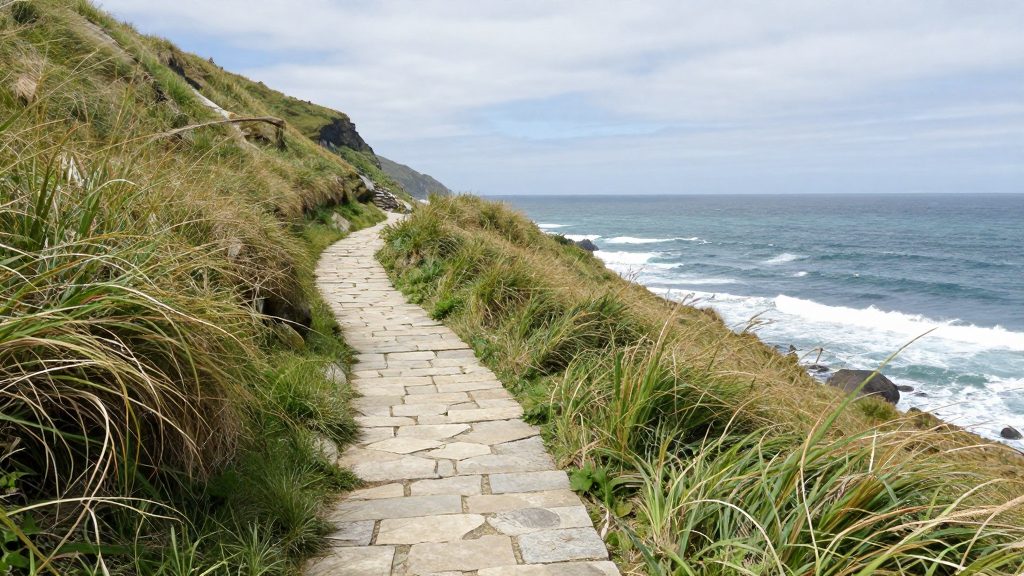
The "continuity" and "change" in scenery create lasting memories of a walk. Changes in the scenery as you progress along the trail are more memorable than simply looking at a view. For example, a path that offers views of the ocean on one side and lush greenery on the other creates a more enriching emotional experience. To make a walking trail not just a "path to see," but a "path to feel," it should include elements that stimulate the senses, rather than just visual appeal.
According to the World Tourism Organization's 2023 data, eco-friendly walking tours have seen a 15% increase in popularity. This shift reflects a growing preference for slow travel experiences across Asia heading into 2024.
What are the Key Considerations When Choosing a Walking Trail?
- Walking Convenience: Check if the path is not too steep and whether it's paved or finished with natural stones.
- Facilities: Check for rest areas, restrooms, and information boards. Especially for less popular trails with limited facilities, prior preparation is essential.
- Accessibility: How easy is it to reach by car or public transportation? While some walking trails in Jeju are connected to bus routes, the majority require walking to reach, so check transportation options in advance.
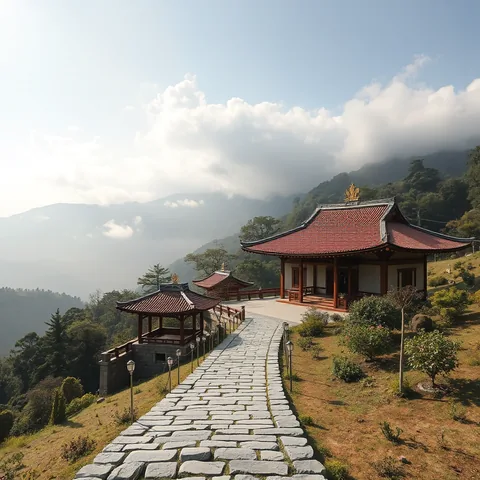
- Connection to Nearby Attractions: If the trail connects to nearby temples, traditional villages, or pottery museums, you can make better use of your time.
According to the Korea Tourism Organization's 2022 study, over 60% of domestic travelers expressed interest in rural trekking paths. These findings suggest that walking trails will become a primary driver for regional growth by 2025.
What Elements Make You Feel Like You're "Walking" on a Trail?
Senses other than sight determine the quality of a walk. The most important thing on a walking trail is not "seeing," but "feeling." For example, the sound of leaves rustling in the wind, the sound of your footsteps on the ground, and the smell of damp earth are all elements that deeply resonate with you, even though they are not visible. When choosing a walking trail, prioritize paths that offer more opportunities to "hear and smell" rather than just seeing the scenery.
Is it Essential to Rest on a Walking Trail?
Rest is not only for recovering from fatigue, but also a key element in regaining your "inner rhythm." Paths that include 5-10 minute rest stops are more conducive to emotional stability. Especially after climbing stairs or slopes, having a place to sit is beneficial. Without rest, walking can simply become pure exercise, so plan for regular breaks to restore the meaning of a stroll.
Is it Possible to Walk on a Walking Trail with Children and Seniors?
Yes, but you should choose a path that suits their walking abilities and the characteristics of the trail. Children and seniors have different walking speeds, so walking convenience and the availability of rest areas are more important than the length of the path. For example, a gentle slope with frequent rest areas is suitable for families. On the other hand, paths with many stones or concentrated stairs may be limited depending on walking ability, so prior research is necessary.
Frequently Asked Questions
Q. Is it okay to bring a camera on a walking trail? A. The purpose of a stroll is not "seeing," but "feeling," so limit camera use to brief moments. To avoid missing the flow of time, it's more valuable to keep your eyes and mind open while walking.
Q. Can you walk on a walking trail in the rain? A. The meaning of a stroll can be diminished in the rain. Roads become slippery, views are obscured, and your senses can be dulled. However, a light rain can sometimes enhance the atmosphere of a walk. In this case, be sure to wear waterproof clothing and shoes, and check the condition of the path in advance to ensure it's not completely wet.
Q. How can you check the road conditions and weather before walking a trail? A. You can check the latest weather and road conditions through the official Jeju tourism website or transportation information apps. Especially for mountain trails, check the conditions at least 1 hour before departure, as paths can be flooded or trees may have fallen after rain or storms.



Comments 0