Jeju Local Food Guide: Finding Authentic Hidden Flavors
"The best flavors aren't found on the main highway, but down the narrow stone-walled alleys."
This article is about Authentic. To find the true soul of Jeju, you must look past the neon signs of the tourist strips and follow the scent of charcoal and sea salt into the quiet villages.
This guide reveals the authentic culinary landscape of the island, focusing on tucked-away eateries that prioritize seasonal ingredients over mass-market appeal.
* Discover the difference between tourist-trap dining and authentic local flavors. * Explore the distinct culinary identities of East and West Jeju. * Learn how to navigate seasonal seafood and pork specialties. * Understand the importance of way of life in local food preservation.
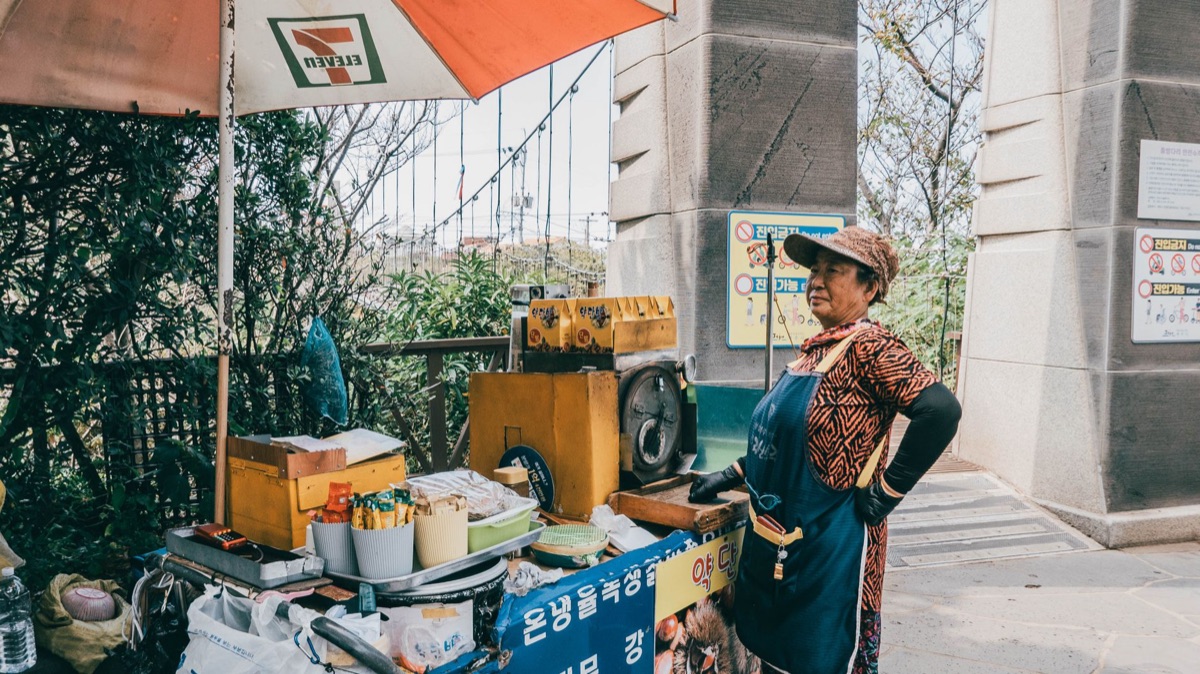
What is the true culinary soul of East Jeju? The sun began to crest over the Seongsan Ilchulbong peak, casting long shadows across the volcanic fields as I stepped into a small, weathered kitchen in Gujwa-eup. The air smelled of toasted sesame and damp earth, a sharp contrast to the salty breeze of the nearby coast.
In the eastern part of the island, the food culture shifts from the ocean's bounty to the rich, fertile volcanic soil. While many travelers stick to the waterfront, the inland villages of Gujwa and Seongsan hold the secrets to deep, earthy flavors.
This area is famous for its unique vegetable stews and specialized black pork dishes that utilize the hearty produce grown in the volcanic ash.
For those seeking authenticity, many of the most respected kitchens in the east have remained in the same family for decades. Unlike the large-scale franchises found near the major attractions, these small-scale establishments often feature menus that have changed very little for over ten years.
They focus on a limited number of dishes, ensuring that every ingredient—from the hand-harvested seaweed to the locally raised pork—is of the highest quality.
One specific, verified local spot in the eastern countryside has maintained its signature vegetable and pork stew for over a decade, serving as a cornerstone for the local community.
When you visit these places, you aren't just eating a meal; you are participating in a culinary tradition that has survived through changing seasons.
The contrast between these small family-run kitchens and the major tourist chains is stark. While a chain restaurant might offer a standardized menu designed for quick turnover, these local spots prioritize the rhythm of the seasons.
If a certain vegetable isn't in season, it simply isn't on the menu. This commitment to seasonality ensures a freshness that mass-produced meals can never replicate.

Where can I find Seogwipo's best seafood secrets? A heavy fog rolled in over the cliffs of Seogwipo, blurring the line between the dark ocean and the gray sky as I sat at a wooden table overlooking the harbor. The sound of the waves crashing against the basalt rocks provided a rhythmic backdrop to the quiet clinking of ceramic bowls.
The southern coast, particularly around Seogwipo, offers a different kind of culinary adventure centered almost entirely on the deep sea. While the east is earthy, the south is saline and bright.
The waters around Seogwipo are known for specific seasonal catches that change dramatically from month to month, requiring a discerning palate to navigate.
The best seafood in this region is often found in small, specialized shops near the fishing ports. These eateries specialize in single-type catches, such as hairtail fish or abalone, rather than the generic "seafood platters" offered at larger resorts.
To eat like a local, you should look for places that serve dishes where the seafood is the sole star, often prepared with minimal seasoning to let the natural sweetness of the catch shine through.
When visiting the southern coast, keep these three things in mind to find the best meals:
- Identify the seasonal catch of the month to ensure maximum freshness. 2. Look for small-scale restaurants located near the actual fishing harbors rather than the main shopping streets. 3. Prioritize menus that feature single-ingredient specialties over large, multi-item sets.
I remember sitting in a tiny shop near Magang Port, watching the owner carefully slice fresh sashimi. The simplicity of the setup was intimidating at first, but the first bite of sea-sweetness made the journey worthwhile.

It is important to note that these specialized seafood spots often have limited hours and may close unexpectedly if the daily catch is insufficient. This is not a place for a scheduled, rigid itinerary, but rather for spontaneous exploration.
Authentic — The West Coast's Modern Twist: Chic Cafes and Coastal Bites The afternoon sun hit the turquoise waters of Hyeopjae Beach, making the white sand almost blindingly bright as I walked toward a minimalist wooden structure. The scent of freshly roasted coffee mingled with the salty air, creating a relaxed, modern atmosphere.
The western side of Jeju, encompassing areas like Hallim and Hyeopjae, offers a more contemporary culinary experience. This region has become a hub for "cafe culture," where the traditional elements of Jeju's food are blended with modern aesthetic sensibilities.
It is the perfect place to experience how local ingredients, like Hallabong citrus or matcha, are transformed into sophisticated desserts and fusion dishes.
While the east feels traditional and the south feels rugged, the west feels trendy. You will find many cafes that use volcanic basalt in their interior design and serve locally sourced treats.
This area is ideal for those who want to enjoy the beauty of the coast alongside a high-quality, modern dining experience.
The fusion of traditional ingredients with modern techniques is a hallmark of the west. For example, you might find black pork sliders in a boutique cafe or citrus-infused pastries that celebrate the island's famous fruit.
This allows travelers to experience local flavors in a way that feels accessible and stylish.
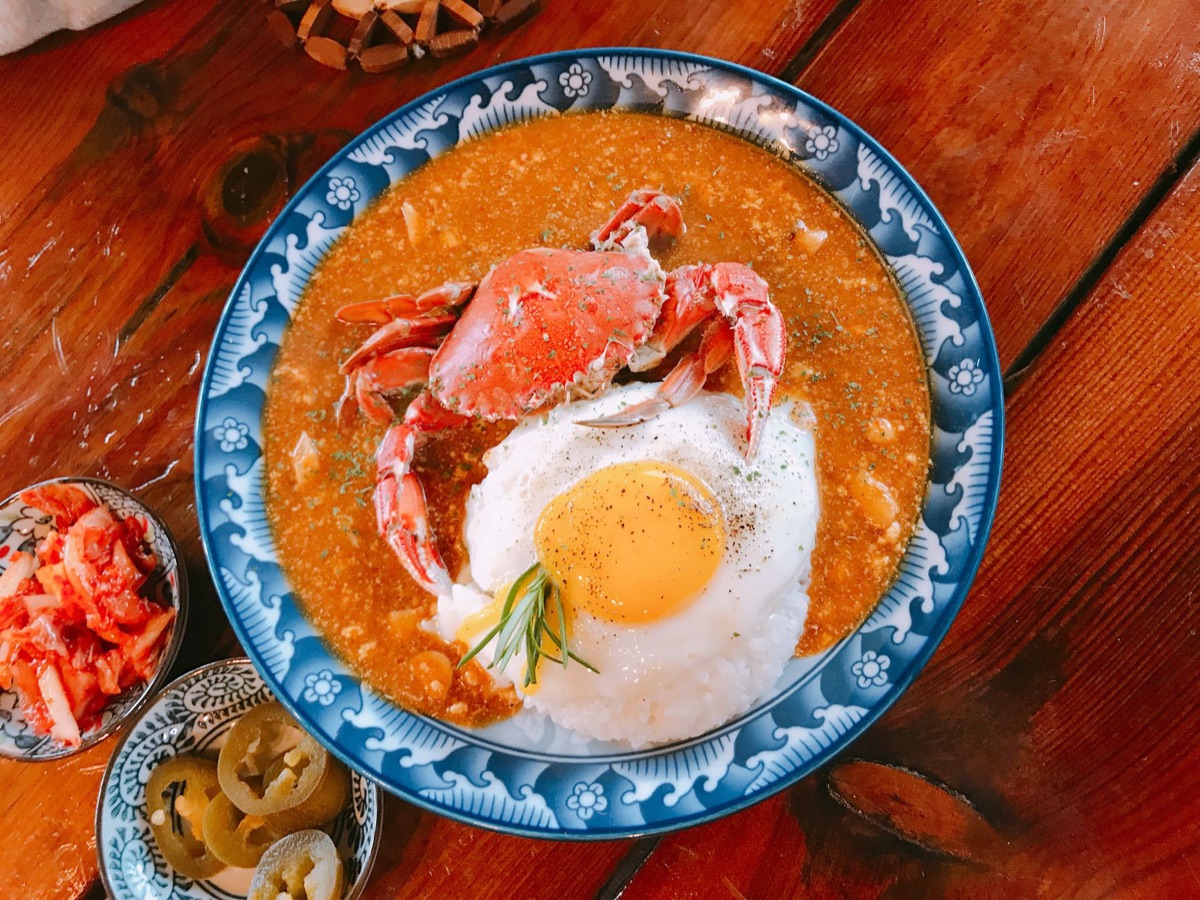
Comparing Traditional vs. Modern Dining
| Feature | Traditional Local Eatery | Modern Coastal Cafe/Boutique | | :---to | :--- | :--- | | Primary Focus | Seasonal, single-ingredient dishes | Fusion, dessert, and aesthetic presentation | | Setting | Small, family-run, often rustic | Architecturally unique, social-media friendly | | Menu Stability | High (decades-old recipes) | Variable (frequently updated with trends) | | Best For | Deep immersion in local culture | Relaxed socializing and visual appeal |
Choosing between these two styles depends entirely on your travel goals. If you want to understand the history of the island, head to the eastern villages. If you want to relax with a view and a creative twist on local flavors, the west is your destination.
Essential Tips for Navigating Jeju’s Food Scene
The wind picked up as I walked along the coastal path, whipping my hair across my face as I looked for the next signpost. I realized then that eating well on Jeju requires more than just a good appetite; it requires a bit of strategy.
Navigating the food scene on Jeju can be overwhelming due to the sheer variety and the way local customs differ from mainland dining. To make the most of your culinary journey, follow these practical steps:
- Research the specific specialty of the region you are visiting (e.g., pork in the east, seafood in the south). 2. Check the operating hours of local spots, as many close early or take mid-day breaks. 3. Be prepared to eat according to the season, as availability changes weekly.
One thing I learned is that the most famous places are not always the best. Sometimes, the best meal of the trip comes from a place with no English menu and only three tables.
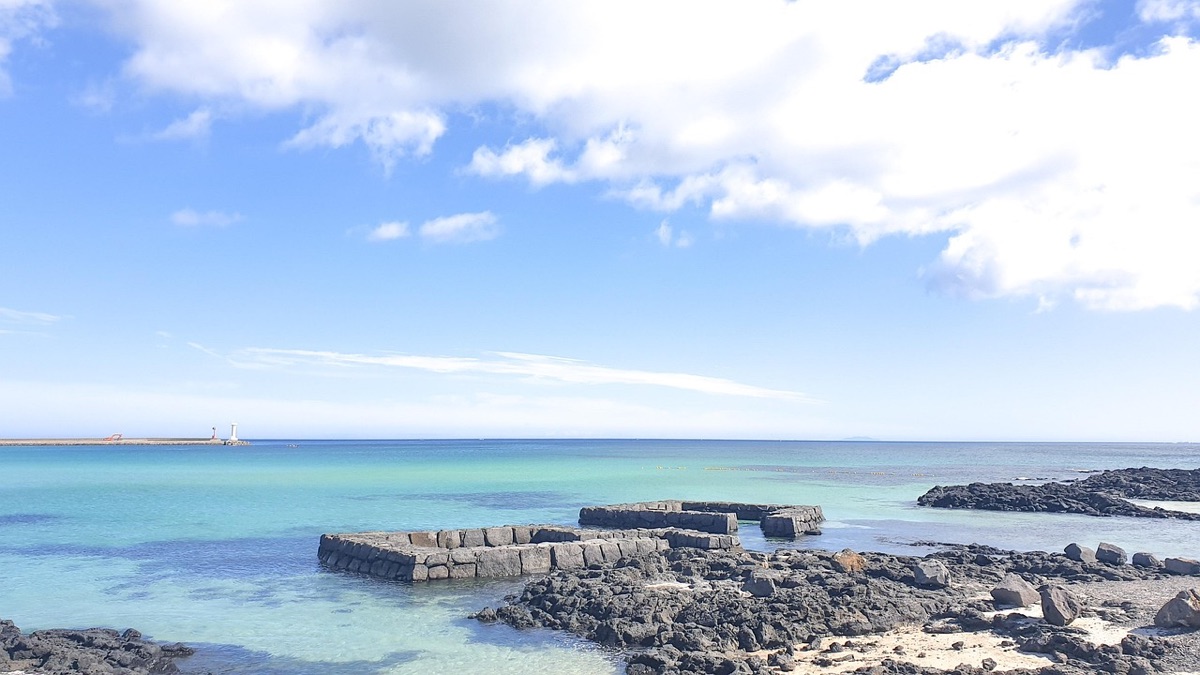
A common mistake is to assume that "local" means "spicy" or "heavy." In reality, Jeju's traditional cuisine is often quite subtle, focusing on the natural flavors of the ingredients. If you are looking for heavy spice, you might find the authentic dishes surprisingly mild.
When I tried the steps in order, the second one is where I paused longest.
However, this does not apply in every situation.
Related


Comments 0