Jeju beach night: Why choose Jeju beach night
"The moon hangs low over the dark waves, casting a silver glow that makes the shoreline feel like a different world entirely."
Choosing a Jeju beach night experience offers a unique immersion into natural beauty and pristine environments that daytime crowds often obscure.
This guide explores the reasons to visit, including the historical purity of specific coastlines, along with practical tips for navigation and staying in the southern regions. You will learn about water quality history, transit options, and how to balance exploration with relaxation.
Why choose Jeju beach night?

Standing on the shoreline as the tide rolls in, the cool breeze carries the scent of salt and the sound of rhythmic waves. Choosing a Jeju beach night allows travelers to witness the quiet majesty of the island's geological wonders under the stars.
The allure of the coast often lies in its environmental integrity. For instance, according to the Korean Federation, Jungmun Saekdal Beach was identified as the best uncontaminated beach among 44 South Korean beaches following a 1999 water quality investigation.
This historical reputation for purity makes a night walk along the sand particularly refreshing.
The natural beauty of the coastline offers a sense of peace that is hard to find in urban settings. Many visitors find that the darkness highlights the unique textures of the volcanic landscape.
This atmosphere provides a perfect backdrop for those seeking a quiet escape from the hustle of daily life.
The cooling breeze and the rhythmic sound of the waves offer a peaceful escape from the daytime heat.
Best beach night tips for travelers
Walking along the damp sand at dusk requires careful attention to the uneven terrain. To make the most of your evening, you should prepare for the specific environmental conditions of the island.
To ensure a smooth experience, follow these preparation steps: 1. Pack a light jacket or windbreaker to handle the coastal breeze. 2. Check the local tide charts to avoid getting stuck on sandbars. 3. Carry a small flashlight for navigating paths near the water.
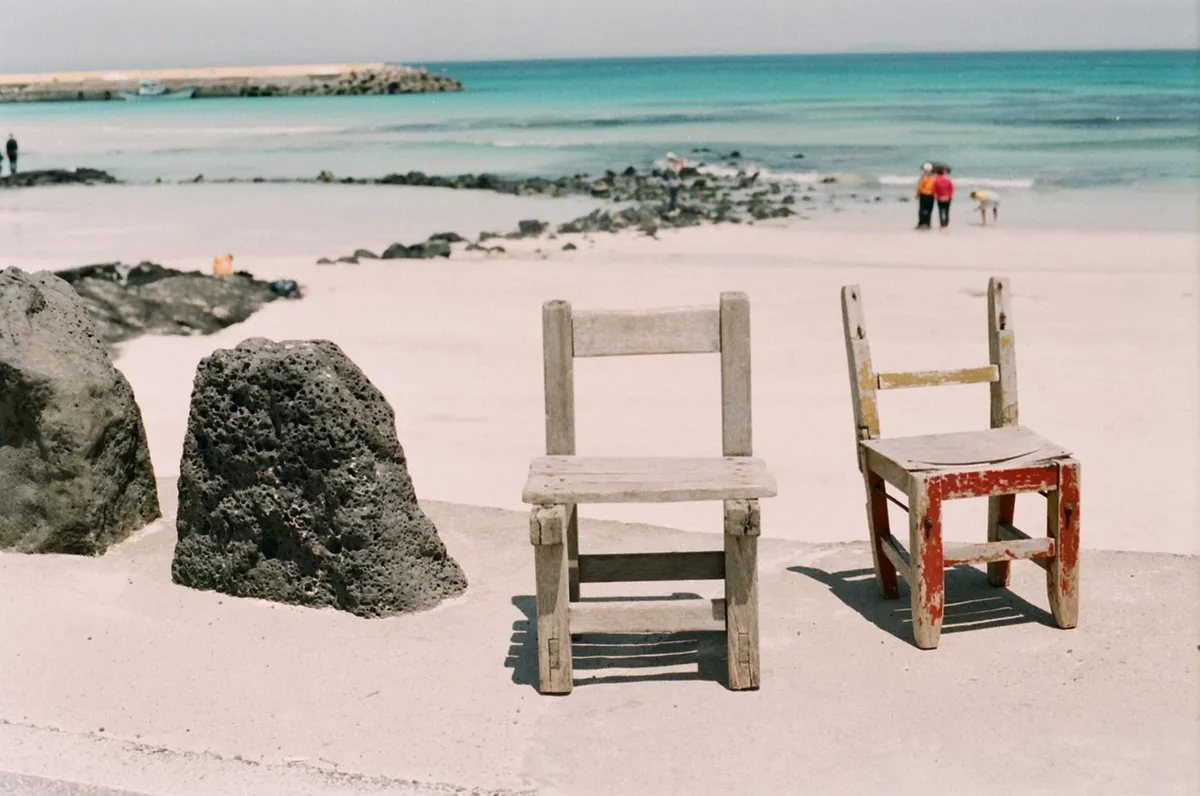
After preparing, perform a final check of your footwear to ensure it is suitable for sandy or rocky surfaces. I remember checking my sandals twice before stepping onto the dark path near the water to ensure they wouldn't slip.
- Pack a light jacket to prepare for the ocean breeze.
- Bring a portable power bank to keep your devices charged.
- Carry a small flashlight for navigating the sandy paths.
Night beach travel guide for mobility
Under the moonlight, I grip the handrail tightly while stepping onto the rocky jeju shore to feel the spray of the salt air.
Navigating between coastal spots after sunset requires a clear understanding of local transit. Moving from one scenic view to another can be done through various methods depending on your budget and group size.
If you are traveling from the airport, you have several options to reach the coastal areas. You can rent a car for approximately $50-100 USD per day, provided you have an international or South Korean license. Alternatively, hiring a private driver can cost between $150 and $300 USD per day.
For those on a budget, bus fares typically range from $1 to $2, though the airport limousine bus may differ.
A taxi ride to the southern coast typically costs between $30 and $40 USD and takes about 45 minutes. For those using public transit, walking from a bus stop to a specific beach spot might take around 15 to 20 minutes.
Using these methods allows you to explore the coast without the stress of long-distance driving.
In this sequence, the second step is the longest.
Why visit beach at night in the south?
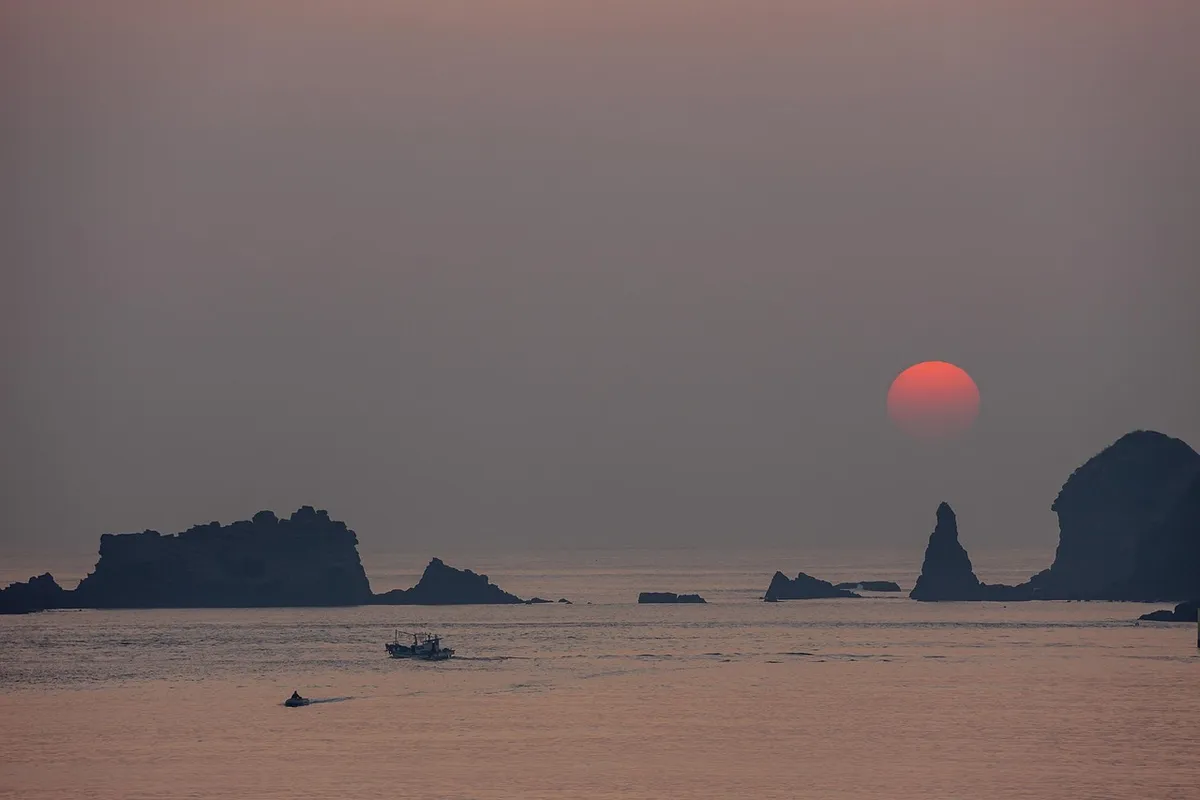
The southern part of the island offers a different landscape compared to the north. Sitting in a hotel in Seogwipo, you can look out toward the ocean and plan your next day of exploration.
If your itinerary focuses on the southern coast, staying in Seogwipo City hotels is a practical choice for those spending more than one day in the area. While hotels in Jeju City tend to be more expensive, you can find decent accommodations around $40 USD per night in other areas.
This allows for more flexibility when planning longer coastal stays.
The southern region is home to various landmarks that complement a beach visit. You might choose between a south, west, or east Jeju Island tour to see different facets of the island. This variety ensures that your coastal journey remains engaging throughout your trip.
| Destination Type | Typical Cost/Time |
|---|---|
| Taxi to the South | $30–$40 USD / 45 mins |
| Rental Car | $50–$100 USD per day |
The southern coastline provides a unique atmosphere where the stars reflect beautifully off the dark water.
How to enjoy beach night with local culture
Walking through a historical site or a museum in the late afternoon can set the tone for a night by the sea. Visiting a museum provides context to the natural beauty you see at night.
The Jeju National Museum, which opened in 2001, is dedicated to preserving and exhibiting the rich history and culture of Jeju Island. Understanding the history of the land makes the natural scenery feel more profound.
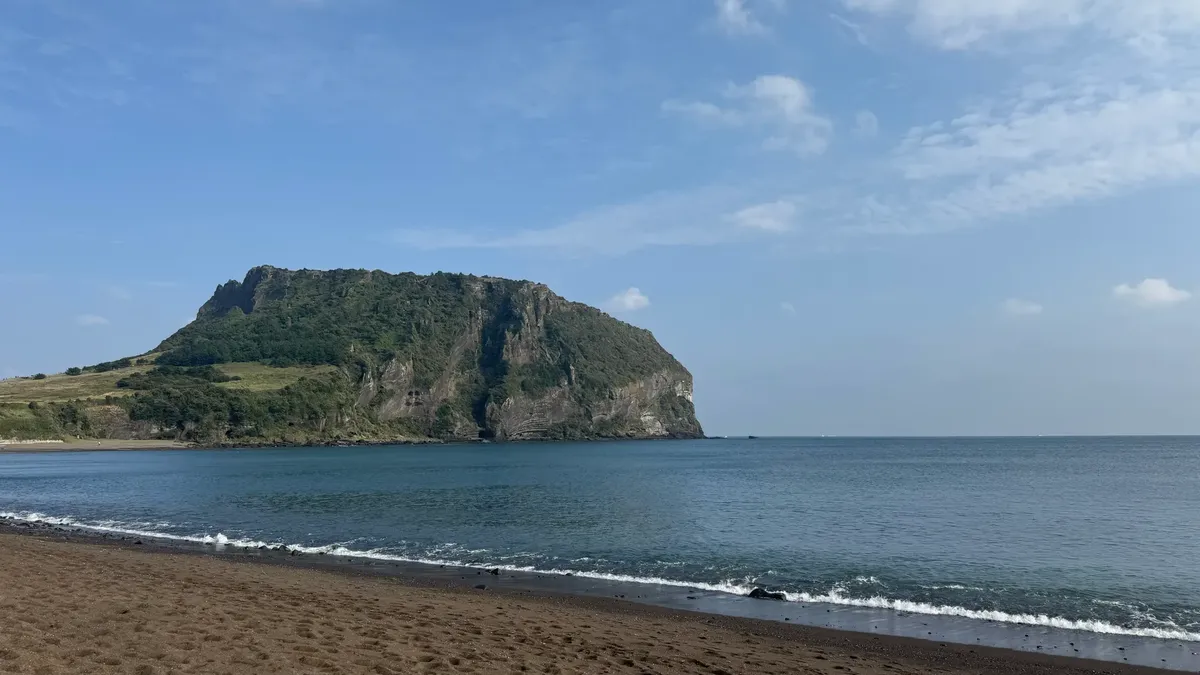
You can also explore the unique geological history of the island, including the Jeju Volcanic Island and Lava Tubes, which became a UNESCO World Heritage site in 2007.
The intersection of history and nature provides a deep sense of place. Exploring the cultural roots of the island can enrich your appreciation of the coastline. This connection makes the nighttime views feel like a bridge between the past and the present.
Visit local night markets near the shore to sample traditional snacks while listening to the ocean.
The subject here is Why choose Jeju beach night.
The same subject is also called Jeju beach night charm.
This part also covers Tips for night beach stay.
This part also covers Unique night beach activities.
Related



Comments 0