Jeju guide tips for a seamless first visit to the island
This guide provides a clear roadmap for beginners, covering essential transportation, strategic regional stays, and must-see landmarks to ensure your first visit is seamless.
"The best way to start a Jeju adventure is to embrace the island's slow pace from the moment you land."
Planning your first trip to Jeju Island can feel overwhelming because the island offers everything from volcanic coastlines to lush tea plantations.
* Understand the regional layout to minimize driving time. * Master the local transportation methods for flexibility. * Identify the best areas to stay based on your travel style. * Learn how to balance famous landmarks with hidden natural gems.
How should I pick a base for my first trip? (seamless) In the morning I hold jeju and walk through the next step.

I stood at the arrivals hall of Jeju International Airport, clutching a rental car reservation and looking at a map that seemed to cover an entire country. Deciding whether to stay in Jeju City or Seogwipo is the first major hurdle for any newcomer.
According to the Korean Immigration Service, on June 1, 2018, Yemen was excluded from the visa waiver list, which impacted refugee movement on the island.
For a first-time visitor, splitting your stay between the North (Jeju City) and the South (Seogwipo) is the most efficient strategy.
Jeju City serves as a perfect hub for airport access and northern attractions, while Seogwipo offers a closer connection to the famous waterfalls and southern coastline.
If you prefer convenience and shopping, stay near Jeju City. If you want to wake up to views of Hallasan Mountain or the ocean, head to Seogwipo. Keeping your base localized prevents you from spending four hours a day behind a steering wheel.
Which transportation method is best for me? I gripped the steering wheel tightly as the bright morning sun blinded me while driving through the heart of jeju.
The sun was just beginning to rise over the stone walls of a traditional village as I realized how much ground I needed to cover. Navigating the island's winding roads requires a clear understanding of how to get from point A to point B.
As reported by the Jeju Tourism Association, the island saw 7.1 million arrivals from January 1 up to July 22, 2025.
Renting a car is the gold standard for exploring Jeju Island. The island's most beautiful spots, like the eastern coast or the western beaches, are often difficult to reach via public bus. A rental car provides the freedom to change plans on a whim, which is essential for a relaxed vacation.
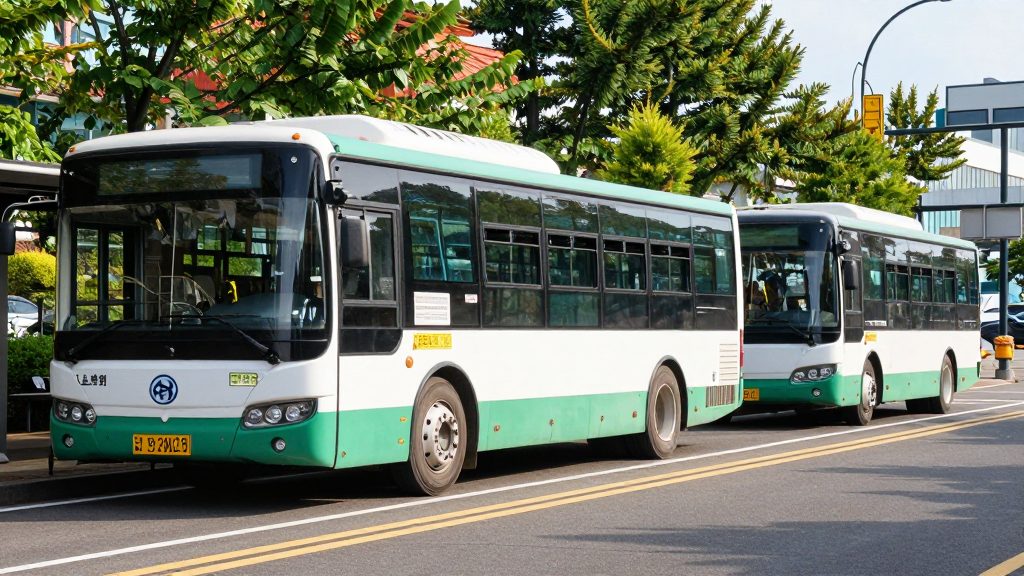
If you are not comfortable driving, the local bus system is reliable but slow. For those traveling in groups, private taxi tours are a great alternative. To make the most of your mobility, follow these steps:
- Secure an International Driving Permit (IDP) before leaving your home country. 2. Reserve a vehicle with a GPS that supports English language inputs. 4. Download a reliable local map application, as Western GPS services can sometimes struggle with specific island side streets.
I remember the relief of finally finding a parking spot near Seongsan Ilchulbong after a long drive.
Should I sightsee on the east or west coast? I sat at a small wooden table in a seaside cafe, watching the waves crash against the dark volcanic rocks of the eastern coast. Choosing between the East and the West is a classic debate among travelers. A trip in 2016 included a visit to the Jeju Folk Museum as part of a nature and food tour.
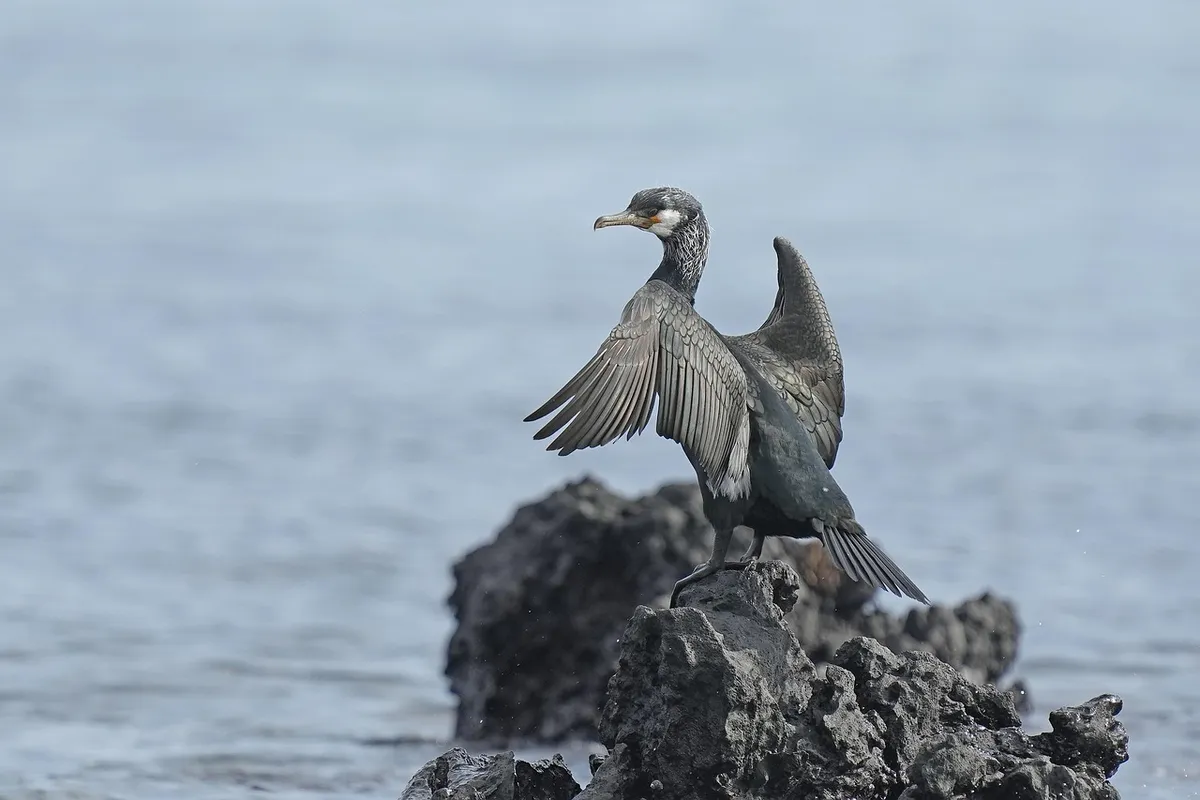
The East Coast is famous for its dramatic volcanic landscapes and the iconic Sunrise Peak. This area is perfect if you want to see the most "classic" Jeju sights. The West Coast, on the other hand, is known for its stunning sunsets, sandy beaches, and trendy cafes.
The East is more rugged and natural, while the West is more relaxed and aesthetic. Most travelers find that the East offers more "wow" moments with its unique geological formations.
What are the must-visit spots for a first-timer?
The wind whipped around my face as I climbed the steep stone stairs toward the summit of a massive volcanic cone. For someone who has never been to Jeju, the sheer variety of landscapes can be disorienting. The island features Seongsan Ilchulbong, which is recognized as a UNESCO World Heritage Site.
According to the Jeju Folk Museum, visitors can explore local culture during a trip that was split into food and nature tours in 2016. As noted by UNESCO, the island features the highest peak in South Korea, Halla, which reaches an altitude of 1,950 meters.
A successful first itinerary should include a mix of natural wonders and cultural experiences. You should aim to see the major landmarks while leaving room for spontaneous exploration.
Here is a sample breakdown of essential sights:
* Seongsan Ilchulbong (Sunrise Peak): A UNESCO World Heritage site that offers breathtaking views. * Manjanggul Cave: An impressive lava tube that showcases the island's volcanic history. * Hallasan National Park: The centerpiece of the island, perfect for hikers. * Olle Trails: A series of walking paths that let you experience the coast at a human pace.
How do I manage my itinerary without getting exhausted?
I looked at my itinerary at a quiet rest stop and realized I had scheduled three different mountain hikes in a single day. This is a common mistake that leads to "travel burnout" before the trip is even halfway over.
The biggest mistake beginners make is trying to see everything in one go. Jeju is larger than it looks on a map, and travel times between the north, south, east, and west can add up quickly.
To avoid exhaustion, follow this rule: pick one major region per day. If you are in the east, stay in the east. Do not try to visit a western beach in the morning and an eastern peak in the afternoon.
Can I do this trip without a car?
The bus pulled away from the stop, leaving me standing on a quiet road with a heavy backpack. Many travelers wonder if the island is accessible purely through public transit.
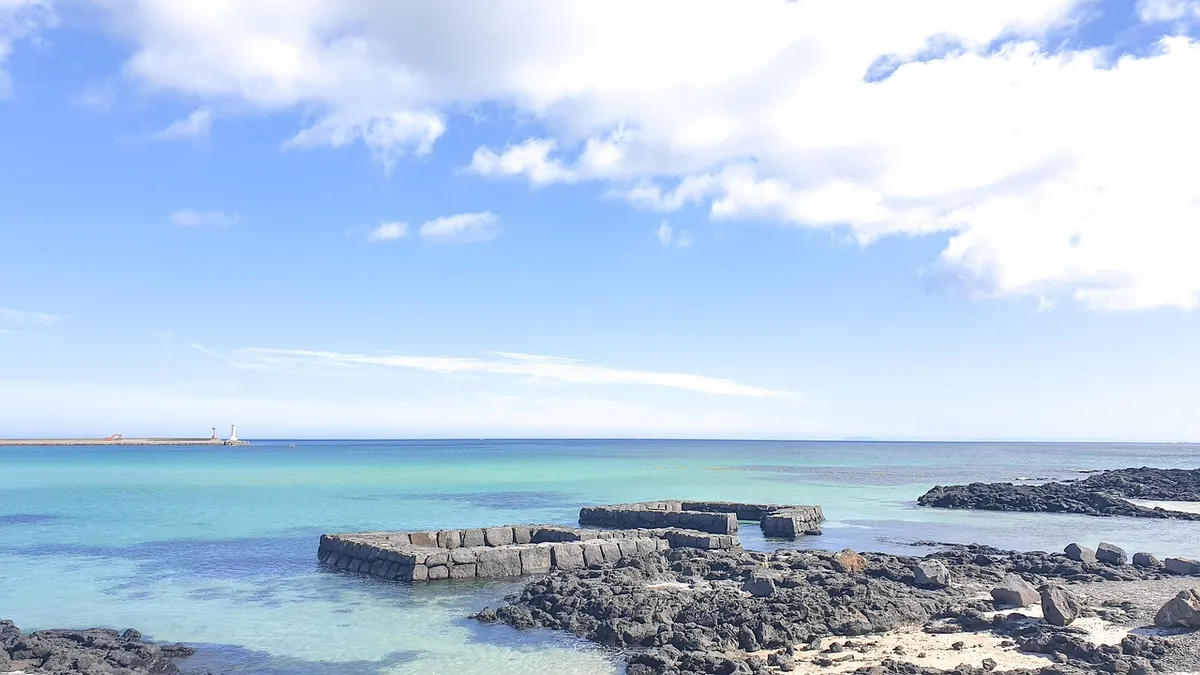
While it is possible to navigate Jeju using buses, it is not recommended for a short, first-time trip. The bus schedules can be infrequent, and many of the most beautiful scenic spots are located far from the main bus lines.
If you choose to go without a car, focus your itinerary on a single city like Jeju City or Seogwipo. This allows you to use taxis or local transit without spending the entire day in transit.
A limitation of this approach is that you may miss out on the remote, quieter parts of the island where the true magic happens.
According to UNESCO, the recorded figure is 3.
When I tried the steps in order, the second one is where I paused longest.
This order does not hold, however, when the figure is not 30%.
- How should I pick a base for my first trip?
- Which transportation method is best for me?
- Should I sightsee on the east or west coast?
| Item | Figure |
|---|---|
| 1 | 30% |
| 2 | 7.1 million |
Related
- How to Use Buses in Jeju Island: Maximize Your Tour
- Jeju East Coast Drive: Best for Scenic Coastal Touring 1


Comments 0